



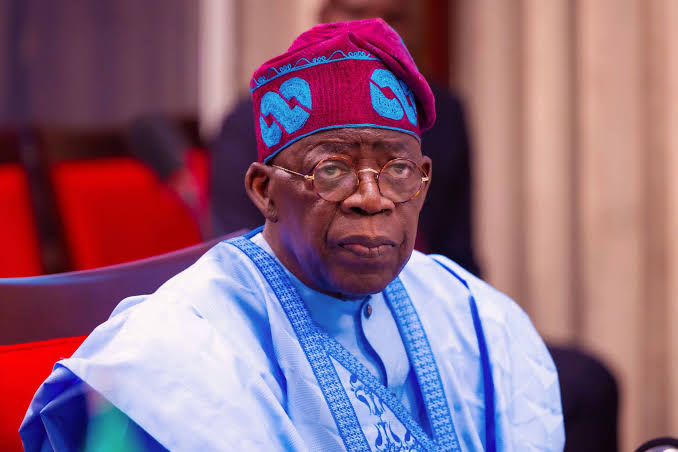
From ending hunger to eradicating poverty, President Tinubu is making big promises ahead of 2027. But after more than three years in power, Nigerians deserve answers, evidence and measurable results—not another round of political assurances.
Nigeria is hungry for change. Yet, as President Bola Ahmed Tinubu asks Nigerians to give him another four years, he is offering a familiar menu of promises: prosperity, economic recovery, cheaper food, more jobs and an end to poverty.
At the All Progressives Congress (APC) campaign flag-off in Kaduna, the President sought to reassure Nigerians that better days were ahead. He promised growth, opportunity and recovery, insisting that his administration was working to eradicate hunger and poverty.
But Nigerians have heard these promises before.
In 2023, Tinubu campaigned on the promise of Renewed Hope. Today, as he prepares to seek another mandate, the question confronting his administration is unavoidable: what has happened to the hope Nigerians were promised the first time?
For millions of citizens battling soaring living costs, struggling businesses and shrinking purchasing power, another promise of prosperity may sound less like reassurance and more like a demand for patience from people who have already waited long enough.
Campaign rallies are designed to inspire. Governing, however, demands results.
And it is on that score—not the volume of applause at a stadium—that Tinubu’s promises must be judged.
The President Promises Prosperity. But Where Is the Relief?
Tinubu’s declaration that Nigeria is on the path to prosperity raises an uncomfortable question: prosperity for whom?
The government has defended its economic reforms, particularly the removal of petrol subsidies and changes to the foreign-exchange system, as necessary steps towards stabilising public finances and correcting longstanding economic distortions.
There may be a case for reforms that address structural weaknesses. But economic policies cannot be judged by government revenue, market confidence or official declarations alone.
They must also be judged by what happens in the homes of ordinary Nigerians.
Can families afford three meals a day? Can workers pay their bills without exhausting their salaries? Can small businesses survive rising operating costs? Can young graduates find decent jobs instead of spending years searching for employment?
These are the questions that matter.
Macroeconomic stability is important, but it means little to a family that cannot afford food or a worker whose salary loses purchasing power every month. Growth that fails to improve living standards risks becoming a statistic without meaning for those left behind.
Tinubu cannot simply ask Nigerians to trust that prosperity is coming. He must show them where it is, how it is being delivered and when they can reasonably expect to feel its benefits.
Poverty Will Go? Nigerians Want to Know When.
Perhaps no promise is more consequential—or more demanding—than Tinubu’s pledge to eradicate poverty.
At the Kaduna rally, the President blamed previous administrations and political opponents for hunger and poverty, insisting that his government was trying to eliminate both.
But blaming yesterday’s leaders cannot become an excuse for the shortcomings of today’s government.
Nigeria’s economic problems predate Tinubu’s presidency. Years of weak growth, insecurity, infrastructure deficits and policy failures have contributed to the country’s difficulties. Yet Tinubu has been in charge since May 2023, and his administration must accept responsibility for its own record.
The President cannot claim credit for every improvement while assigning every setback to his predecessors.
If his government is serious about ending poverty, Nigerians deserve clear targets, credible timelines and regular reports showing how many people have been lifted out of poverty and how many remain trapped in it.
Which programmes are working? Which have failed? How much has been spent? What has changed for the poorest households?
Without answers, the promise to eradicate poverty risks becoming another attractive campaign slogan—repeated at rallies while struggling families continue to count the cost of survival.
Fuel Subsidy: Nigerians Are Paying, But What Are They Getting in Return?
Tinubu’s declaration that petrol subsidy belongs to the past leaves little doubt about his intention to maintain the policy direction adopted in 2023.
His administration has argued that removing the subsidy would free public resources for infrastructure, education, healthcare and other essential services. It has also cited corruption and inefficiencies associated with the former system.
But a policy does not become successful merely because a president insists that there is no going back.
The removal of the subsidy has had far-reaching consequences for transport costs, food distribution and the operating expenses of businesses. For many households, the increased cost of getting to work, moving goods and meeting basic needs has become a daily burden.
The crucial question is whether the promised benefits are reaching the people who have borne the costs.
Where is the transparent accounting of the savings? How much has been channelled into public services? What measurable relief have vulnerable households received?
If the government believes the policy is working, it should demonstrate that success with verifiable evidence.
Nigerians cannot be expected to accept hardship indefinitely on the strength of promises about future benefits. Sacrifice without visible returns is not a sustainable economic strategy; it is a test of public patience.
Hunger Cannot Be Defeated With Speeches
Tinubu’s promise to eradicate hunger is another declaration that must be measured against reality.
Food is not a luxury. It is a basic necessity. When families struggle to afford it, the consequences extend beyond household budgets to public health, education, productivity and social stability.
The administration’s 2023 agenda included agricultural hubs, improved storage facilities, reduced post-harvest losses and other measures intended to strengthen food production and affordability.
These are relevant objectives. But Nigerians need to know how far the programmes have progressed and whether they are producing measurable results.
Farmers need security to cultivate their land. They need affordable fertiliser, seeds, equipment, financing and reliable access to markets. Food must also be transported and stored efficiently before it reaches consumers.
A serious food-security strategy must address the entire chain, not simply promise more agricultural production.
The government should publish clear figures on food production, food insecurity, agricultural investment and the prices consumers pay for essential commodities.
It must also explain what it will do differently where existing interventions have failed to deliver sufficient relief.
The President may declare war on hunger, but the victory will be determined at the market, in the kitchen and on the tables of Nigerian families.
One Million Digital Jobs: Where Is the Scorecard?
Tinubu’s 2023 campaign included a pledge to create one million jobs in the digital economy. His wider agenda also promised employment through industrial development, infrastructure and support for businesses.
As he seeks another term, these commitments demand a public accounting.
How many sustainable jobs have been created? How many young Nigerians have secured paid employment through government-backed initiatives? How many trained participants have found work? How many businesses have expanded their workforce because of government support?
These are basic questions, not political traps.
Nigeria’s young people need more than motivational speeches about opportunity. They need an economy in which education can lead to employment, enterprise can lead to growth and hard work can provide a route out of poverty.
Training programmes are useful, but training without employment opportunities cannot solve the jobs crisis. Entrepreneurship initiatives matter, but young business owners also need affordable finance, reliable electricity, dependable internet and a stable operating environment.
If the administration has made substantial progress, it should publish the figures. If it has fallen short, it should explain why and present a credible corrective plan.
A million-job promise should not remain suspended between campaign rhetoric and public expectation.
## Workers May Receive Their Salaries, But Can They Still Afford to Live?
Tinubu has defended his administration’s record on regular salary payments, praising APC governors for their performance.
But the regular payment of salaries, important as it is, cannot be the sole measure of workers’ welfare.
What matters is what those salaries can buy.
A worker may receive a salary on time and still struggle to pay rent, buy food, cover transport costs and meet school fees. A nominal increase in wages can also lose much of its value when prices rise faster than earnings.
Workers need purchasing power, decent working conditions and access to affordable essential services. They need an economy in which employment offers security rather than merely a monthly reminder of how much living has become.
The administration should therefore look beyond payroll compliance and demonstrate how its policies are affecting real wages, household incomes and living standards.
For millions of workers, the question is brutally simple: if they are earning, why are so many still struggling?
Roads Are Welcome. Accountability Is Essential.
Tinubu’s inauguration of an 81-kilometre section of the Abuja-Kaduna-Zaria-Kano dual carriageway provides a tangible infrastructure milestone for the administration to showcase.
Roads can improve connectivity, facilitate trade and help farmers move produce to markets. Infrastructure investment can also create jobs and support economic growth.
But an inauguration is not the end of the story.
Citizens deserve to know how much projects cost, whether they were delivered on schedule, whether construction meets the required standards and what economic benefits they are expected to generate.
The same scrutiny should apply to railways, electricity projects, ports and other major public investments.
Nigeria has enormous infrastructure needs and limited public resources. Every naira spent must therefore be justified by value, quality and public benefit.
The government should not merely count kilometres of roads inaugurated. It should demonstrate how completed projects reduce transport costs, improve access to markets and strengthen economic activity.
Public infrastructure is not a political gift to citizens. It is a public investment financed with resources that belong to them.
Four More Years? First, Account for the First Three.
Tinubu’s request for another term raises a legitimate question of continuity: should an administration have more time to complete reforms whose benefits may take years to materialise?
There is no automatic answer. Some reforms require sustained implementation, and governments cannot reasonably be expected to solve every structural problem in a single term.
But continuity cannot be an argument for postponing accountability.
Before asking Nigerians to renew his mandate, the President should provide a detailed performance report against his 2023 commitments. That report should distinguish completed promises from ongoing programmes, explain missed targets and establish measurable objectives for any proposed second term.
It should include:
- Poverty: Verifiable evidence of progress in reducing poverty and improving household incomes.
- Food: Measurable progress on food insecurity, agricultural productivity and consumer prices.
- Jobs: An independently verifiable account of employment created, including the durability and quality of those jobs.
- Economic reforms: Transparent information on fiscal savings, public spending and the distribution of benefits and costs.
- Workers: Evidence of improvements in real wages and purchasing power.
- Infrastructure: Project costs, delivery schedules, quality assessments and public benefits.These are the foundations of responsible democratic accountability.
A second-term manifesto should not simply recycle the first term’s ambitions. It should explain what has been achieved, what has not, why the gaps exist and how the administration intends to close them.
Conclusion: Hope Must Not Become an Excuse for Broken Expectations
Tinubu’s Kaduna campaign has placed prosperity, poverty eradication, food security, employment and infrastructure at the centre of his re-election message.
These are precisely the issues on which Nigerians need decisive progress. But the importance of the promises makes scrutiny more necessary, not less.
The President can defend his reforms. He can argue that the economy needs more time to respond. He can point to projects completed and policies introduced. But he must also confront the hardship that persists and demonstrate that the benefits of his economic agenda are reaching ordinary citizens.
Nigerians should not have to choose between accepting every government explanation and dismissing every policy initiative. They deserve the evidence needed to judge the administration on its actual record.
The 2027 campaign must therefore be more than a contest of speeches, slogans and promises. It must be an opportunity to demand measurable commitments and hold those seeking power accountable for their performance.
Tinubu says poverty will go. Nigerians want to know when. He promises prosperity. They want to know for whom. He asks for four more years. They want to know what he has achieved with the years already given to him.
These are not hostile questions. They are democratic obligations.
The burden is on the President to show that his promises amount to more than words spoken from a campaign podium.
Nigeria does not need hope without evidence, reforms without accountability or promises without deadlines. It needs results that citizens can see, feel and afford.
Editorial: Tinubu’s 2027 Promises: Nigerians Need Results, Not Another Four Years of Hope
Typography
- Smaller Small Medium Big Bigger
- Default Helvetica Segoe Georgia Times
- Reading Mode