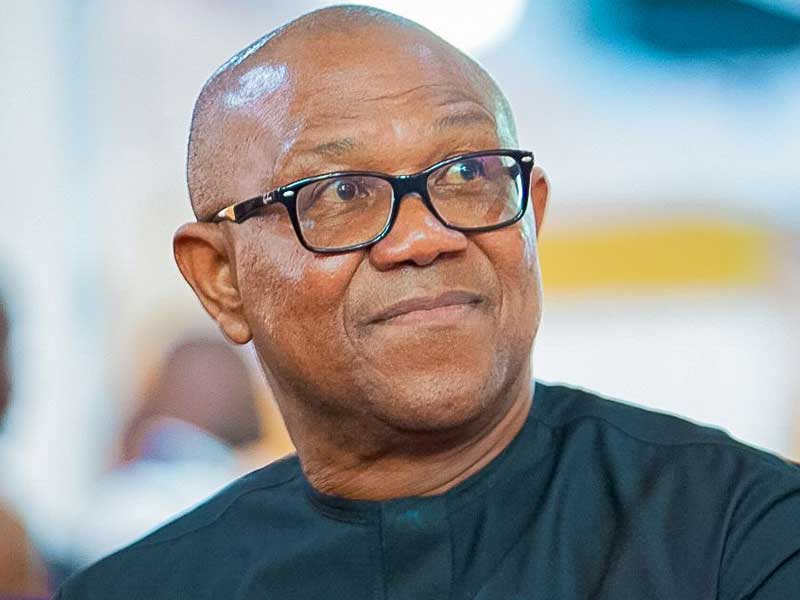


Peter Obi, presidential candidate of the Nigerian Democratic Congress (NDC), has officially commenced his campaign for the 2027 presidential election, urging Nigerians to critically assess the records and promises of all candidates.
Obi made the call on Friday in Onitsha, Anambra State, during a news conference to announce the beginning of his campaign activities ahead of the January 16 presidential and National Assembly elections.
The former Anambra State governor said Nigeria was facing serious challenges, including unemployment, insecurity, poor infrastructure, unreliable electricity and the high cost of doing business.
He said he was entering the presidential race with the conviction that Nigeria could still work and must be made to work.
“Each year, millions of young people enter the labour market, yet too many struggle to find productive opportunities,” Obi said, stressing the need to place production, investment, enterprise and human capital at the centre of the country’s economic agenda.
Obi said his experience in the private sector, his academic background and his record as Anambra governor had prepared him for the presidency.
He also highlighted the experience of his running mate, Senator Rabiu Kwankwaso, particularly his focus on education, technical training, scholarships, infrastructure and human-capital development during his tenure as governor of Kano State.
According to Obi, their different experiences had produced a shared understanding that Nigeria must invest in its people and manage public resources responsibly.
He urged voters to scrutinise the records, ideas and proposals of presidential candidates and demand evidence for their campaign promises.
“I urge Nigerians to examine each candidate’s record and proposals, ask tough questions, and demand evidence behind every promise,” he said.
Obi also called for issue-based campaigning, urging politicians and their supporters to avoid violence and hatred.
He said disagreements should not undermine national unity and stressed that the outcome of the election must be respected by all sides.
If elected, Obi said his administration would focus on increasing agricultural productivity by improving security in farming communities, expanding irrigation, upgrading rural roads and storage facilities, and connecting farmers with finance and markets.
He also promised to strengthen manufacturing and agro-processing to enable Nigeria to export more finished products and derive greater value from its natural resources.
On the business environment, Obi said his administration would seek to reduce unnecessary regulatory and infrastructure barriers to enable entrepreneurs to invest, create jobs and expand their businesses.
He further pledged to promote fiscal discipline, saying every naira of public money should have a clear purpose and that major government investments should produce measurable results.
On security, Obi promised improved intelligence gathering, better coordination among security agencies, stronger policing and border management, as well as greater use of technology.
He also advocated decentralising security management while maintaining effective coordination between the different levels of government.
According to him, improved security is essential to economic development because farmers need safe access to their farms, children need secure access to schools and businesses must be able to move goods safely.
Obi said the ultimate objective of his economic programme would not simply be economic growth, but an economy capable of producing more, creating jobs, generating wealth and improving Nigerians’ standard of living.
2027:Obi Kicks Off Campaign, Urges Nigerians to Ask Tough Questions